Choosing Between a Dry Creek Bed and a French Drain for Optimal Water Management
- Sep 3, 2025
- 4 min read
Water management plays a vital role in maintaining a thriving landscape. It prevents issues such as erosion and flooding, which can wreak havoc on your yard and home. Two popular solutions for managing excess water are dry creek beds and French drains. Each option has distinct benefits and drawbacks. In this post, we will explore their differences, advantages, and disadvantages to help you make the best choice for your property.
Understanding Dry Creek Beds
A dry creek bed is a landscaping feature designed to channel water runoff while simultaneously enhancing your yard’s visual appeal. It typically consists of a shallow, winding trench filled with rocks, gravel, and sometimes plants. The main goal of a dry creek bed is to direct water away from areas prone to flooding, allowing it to flow naturally through the landscape.
Benefits of Dry Creek Beds
Aesthetic Appeal: Dry creek beds can serve as beautiful accents in your landscape. They can be designed with local stones and native plants, creating a seamless look that complements your yard's natural beauty.
Natural Water Management: These systems can effectively reduce runoff without the need for complicated technology. For example, studies show that well-constructed dry creek beds can lower surface runoff by up to 60%.
Wildlife Habitat: Properly designed dry creek beds can attract beneficial wildlife such as birds, butterflies, and beneficial insects. This creates a vibrant ecosystem in your garden, promoting plant health.
Considerations for Dry Creek Beds
Maintenance: While dry creek beds need less maintenance than some other systems, they still require periodic upkeep. This includes removing debris and making sure stones remain in place to ensure effective drainage.
Space Requirements: Dry creek beds generally require more space than French drains. If your yard is smaller, you may want to evaluate whether a dry creek bed can fit into your overall design.
Seasonal Variability: In dry seasons, a dry creek bed may not manage water runoff effectively. Consider your local climate, which affects how often runoff occurs. In regions with less rainfall, this may be a concern.
Understanding French Drains
A French drain is a more conventional water management system consisting of a trench filled with gravel and a perforated pipe at the base. Its primary purpose is to redirect water away from areas where it can cause significant damage, such as basements or foundations.
Benefits of French Drains
Effective Water Management: French drains excel at handling excess water, particularly in areas with heavy rainfall or poor drainage. In fact, homes with French drains installed can experience up to 50% less water intrusion during heavy rains compared to those without.
Space Efficiency: French drains can be installed in tighter spaces than dry creek beds. This makes them an excellent choice for smaller yards or areas with limited landscaping options.
Low Maintenance: After installation, French drains need minimal upkeep. Routine checks and occasional cleaning of the perforated pipe can keep them functioning well for years.
Considerations for French Drains
Installation Complexity: Installing a French drain is generally more complicated than building a dry creek bed. It often involves digging a trench, laying the pipe, and ensuring a proper slope, which may require professional assistance.
Aesthetic Limitations: While very functional, French drains may lack the visual appeal that dry creek beds offer. They can be less visually integrated into your landscape design.
Cost: Installation costs for French drains may be higher than for dry creek beds, particularly if you hire a professional. On average, a French drain can cost between $1,000 to $5,000 depending on the complexity and installation conditions.
Making the Decision
When choosing between a dry creek bed and a French drain, consider these factors:
1. Purpose and Functionality
Think about the primary reason for your water management needs. If your goal is to enhance your landscape while managing runoff, a dry creek bed may be the right solution. However, if you require a highly effective system to prevent flooding, especially in your home's foundation, a French drain may serve you better.
2. Space and Aesthetics
Assess how each option would fit into your yard's design. If you have ample space and want to add visual interest, a dry creek bed could be perfect. Conversely, if you have limited space, a French drain might be the more practical option.
3. Budget and Maintenance
Evaluate your budget for installation and ongoing care. Dry creek beds can be less expensive to install but may need more upkeep over time. French drains, while often costlier upfront, usually require less maintenance once properly set.
4. Local Climate and Soil Conditions
Consider your area's climate and soil type. If you experience heavy rainfall or have clay soil that retains water, a French drain may be essential. On the other hand, if your region has moderate rainfall and well-draining soil, a dry creek bed may suffice.
Final Thoughts
Deciding between a dry creek bed and a French drain for water management will depend on your specific needs, preferences, and landscape conditions. Each option has its unique strengths and considerations, making it essential to assess your situation carefully. With a clear understanding of these two systems, you can choose the one that enhances your property while effectively managing water runoff.
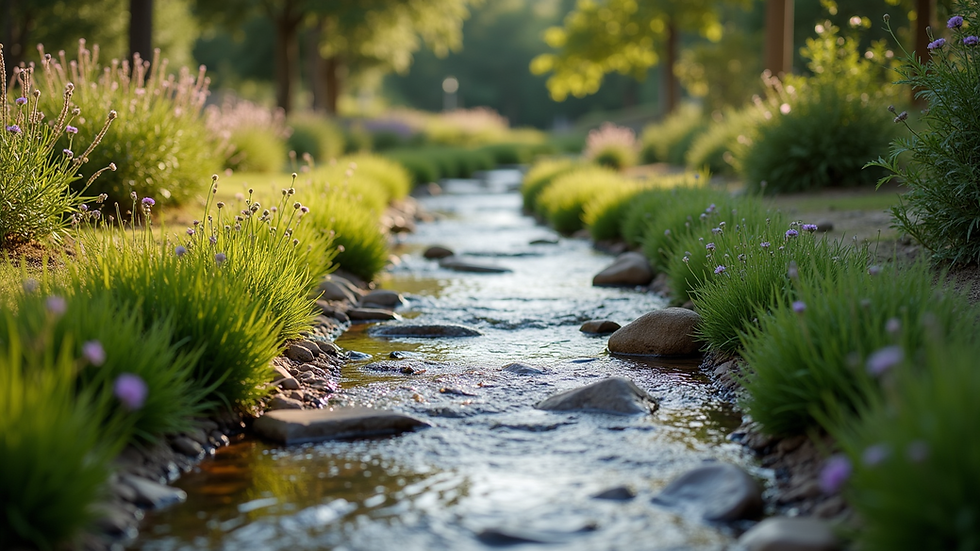
In the end, whether you lean towards the natural charm of a dry creek bed or the practicality of a French drain, the focus should be on ensuring that your solution aligns with your landscape goals and addresses your water management challenges effectively.