How Interior Design Influences Mood and Enhances Productivity
- Sep 2, 2025
- 3 min read
Interior design is more than just aesthetics; it shapes our emotions and influences our productivity. The spaces we live and work in greatly affect how we feel and how effectively we work. This blog post explores the close relationship between interior design choices, mood, and productivity, showing how careful design can create environments that enhance well-being and efficiency.
The Psychology of Color
Color is a vital tool in interior design. Different colors can evoke specific emotions and significantly impact our mood. For instance, warm colors like red and orange can stimulate energy and excitement, while cool colors like blue and green promote calmness and relaxation.
Research shows that colors can boost productivity. A study found that a blue workspace increased focus and productivity by 35%. Likewise, yellow can spark creativity, making it ideal for brainstorming zones.
To effectively choose colors, align them with the intended purpose of each space. For example, using soft greens and blues in a reading nook can create a serene atmosphere, while lively yellows in a creative studio can inspire and energize.

The Importance of Lighting
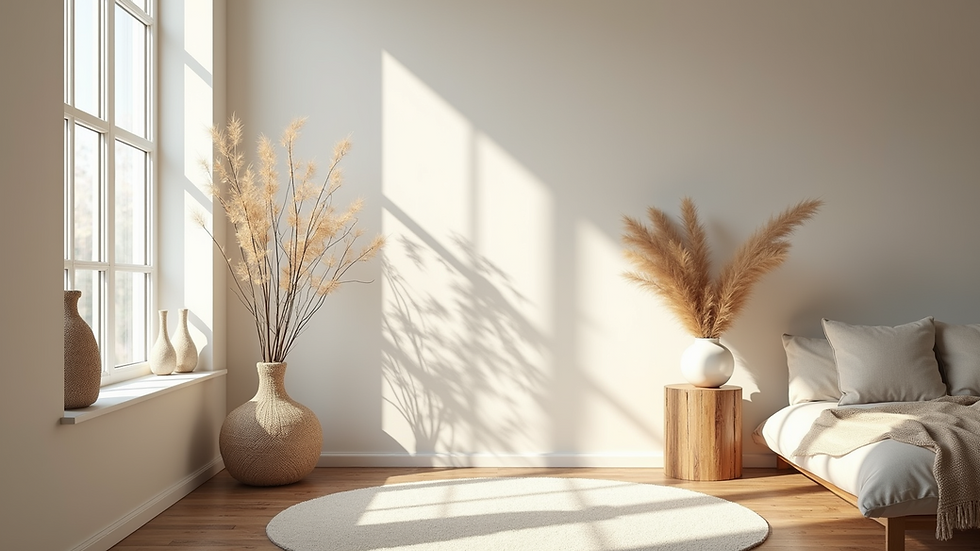
Lighting significantly influences mood and productivity. Natural light is known to elevate mood and energy levels, while artificial lighting can either enhance or diminish a space's ambiance.
For example, workplaces with adequate natural light report a 20% increase in employee satisfaction. Additionally, exposure to daylight can reduce stress and enhance overall well-being. In contrast, harsh fluorescent lighting can lead to fatigue.
To make a space productive, use both natural and artificial lighting. Soft, warm lighting can create a cozy atmosphere, while task lighting can help with focus. A study space may benefit from desk lamps that provide directed light without causing eye strain.
The Role of Space and Layout
The layout of a space can impact how individuals interact with their surroundings. Open layouts encourage collaboration and communication, while more segmented designs provide privacy and focus.
When designing a space, consider the activities that will take place there. A collaborative workspace may benefit from open designs with communal areas, while study environments may need individual desks for concentration. Research suggests that the right layout can improve productivity by up to 30%, highlighting the importance of strategic design.
Moreover, ensure a flow that allows easy navigation to reduce distractions and help maintain focus.
Incorporating Nature
Biophilic design, which includes natural elements in interior spaces, has gained popularity for good reason. Studies show that incorporating nature, such as plants and natural materials, can reduce stress by 30%, improve mood, and enhance cognitive function.
Simple additions like potted plants or natural wood finishes can create a calming environment that promotes well-being. Research has consistently shown that people who work in green spaces experience a 15% boost in creativity and productivity. This connection to nature allows individuals to enjoy the benefits of the outdoors without leaving their work area.

Personalization and Comfort
Personalization is essential for creating a comfortable and inviting space. When individuals can express their personality through their environments, they are more likely to feel at ease and motivated.
Incorporating personal touches like artwork, photographs, or meaningful objects fosters a sense of belonging. Additionally, opting for comfortable furniture and ergonomic designs enhances physical well-being, allowing individuals to focus on their tasks without discomfort. A well-designed office chair can improve comfort and encourage productivity, leading to a 25% increase in efficiency.
Creating a space that reflects personal style while prioritizing comfort can lead to increased satisfaction and productivity.
Transforming Your Environment
Interior design choices profoundly affect our mood and productivity. By understanding the psychological effects of color, the importance of lighting, the role of space and layout, the benefits of incorporating nature, and the value of personalization, we can create environments that enhance well-being and efficiency.
Whether you're designing a home office, a creative studio, or a communal workspace, thoughtful interior design can improve mood and increase productivity. Prioritizing these elements can transform your spaces into sources of inspiration and focus, resulting in a more fulfilling and productive life.
In a world where we spend much of our time indoors, the power of interior design should not be overlooked. Embrace the potential of your space, and watch how it positively affects your mood and productivity.


